
Jowett Farms: a smooth transition to paperless records
Jowett Farms transitioned to digital record-keeping, improving control, visibility, and audit planning.
About
Jowett Farms Corporation is a sow processing plant located in Blumenort, Manitoba, that employs 65 people. The company is managed by two generations of the Jowett family. Jowett Farms has a state-of-the-art facility that utilizes a hot boning and quick chilling technique, creating a product known in the industry as pre-rigor. Pre-rigor meat is an ideal ingredient in the production of sausage products, offering many additional benefits. Jowett Farms is certified under BRCGS Issue 9. The company aspires to be the leading sow processing facility in the country, with high standards in animal welfare and a strong focus on delivering premium products.
Industry
Food Manufacturing and Processing
Company size
50-249 employees
Headquarters
Blumenort, Manitoba
Founded
2017
Quick summary
Challenge
Jowett Farms relied on a fully paper-based food safety system, which led to missing records, outdated form versions, time-consuming manual verification, and limited visibility into operations.
Solution
By implementing Paperless Forms by Datahex, Jowett Farms centralized food safety records, standardized revisions, and enabled real-time monitoring across teams.
Results
No missing records, faster audits, better data accuracy, and a stronger food safety culture driven by real-time insights.
Project context
When Rhanissa joined the team, she quickly recognized the limitations of the existing paper-based recordkeeping system and the difficulty of analyzing trends and making informed decisions. A more structured system was needed to meet operational objectives.
Challenge
For years, Jowett Farms managed food safety entirely on paper. Over time, this created challenges that made it harder to maintain the level of control they needed.
Missing physical records
Some paper records were missing, requiring additional checks to confirm whether documentation had been completed.Incorrect revision versions
Incorrect or outdated revisions of paper forms were sometimes used, creating inconsistencies in recorded information.Manual verification, audit, and analysis
Verification, auditing, and trend analysis were performed manually, requiring additional time and effort.Limited real-time visibility
Paper forms did not allow live record monitoring or verification throughout a shift and did not provide visual alerts, such as red bar warnings, when deviations occurred.
A straightforward implementation
Collaboration during implementation was minimal, as Jowett Farms’ QA Manager was already familiar with Paperless Forms by Datahex from her previous role. She knew what the system could do, and she knew it would fit in her new role as well.
The creation of 138 forms was completed in only six hours. This was made possible by the platform's intuitive design, combined with Rhanissa’s prior experience using it, which allowed a quick and efficient configuration. The full implementation, including purchasing iPads, installing the system, and training production team members, took three to four weeks.
Bringing the team along
The rollout started with Critical Control Point (CCP) records and expanded gradually across departments. Production, Quality Assurance, and Administration teams were all involved.
The change was managed through a structured, step-by-step approach:
Document tracking
A list of tags was created in a shared Dropbox folder to identify all documents to be converted and to keep track of the conversion and implementation.Team adoption
Once the forms were created, adoption by team members was intuitive and straightforward. The small size of the team, combined with the fact that production leads and other personnel were already comfortable with technology and willing to learn, helped facilitate implementation.Adjustments
Some operational challenges were identified, including WIFI availability on the floor. This was addressed by installing WiFi boosters to ensure consistent connectivity across the facility. In the interim, record keeping with the software was still available offline.
Concrete benefits
The rollout initially met some resistance from team members. However, ownership and management were open to innovation, and buy-in from team members followed quickly.
No more missing records
No records have gone missing since implementation, and the facility now maintains full control over form revisions.More efficient audits
Record monitoring, verification, and auditing are faster and more accurate. The CFIA, FSIS, and BRCGS auditors have given positive feedback on the system.Stronger food safety culture
Other departments have started requesting forms for their own workflows, reflecting broader engagement and ownership across the facility.Centralized recordkeeping
All records now live in a single database that supports verification, auditing, sharing, result communication, and trend analysis.Continuous improvement
Production team members now actively request new forms to improve their own processes and implement systems.
A data-driven approach
Before Paperless Forms by Datahex, trend analysis meant manually combing through stacks of paper records. Now, Jowett Farms has transformed the way it uses data to drive food safety and quality decisions.
Rhanissa and her team now track performance across several critical areas, including:
Critical Control Points (CCP) monitoring and verification results
Cleaning performances through pre-operational inspection results (total number of findings in all production areas)
Modernized Slaughter Inspection Program (MSIP) performance (total number of outside and inside verification findings by CFIA)
CFIA non-compliances and customer complaints (through deviations trending)
All of this data can now be exported to Excel and analyzed through pivot charts and tables, making it possible to spot trends that would have remained invisible in paper records. This shift has had a direct impact on how the team works. Trends are recognized early, allowing CAPA plans to be formulated when steadily increasing trends are identified.
When it comes to audits and inspections, digital documentation has made a significant difference. It is easier to see the overall big picture, which provides a better way to understand what a BRCGS auditor or CFIA inspector expects from an external point of view.
Why choose Paperless Forms by Datahex
Jowett Farms needed a system that could keep up with their standards — one that gave them control, clarity, and confidence in their data. Paperless Forms by Datahex delivered exactly that: a straightforward way to strengthen their current food safety and quality programs, without the complexity or lengthy timelines often associated with digital transformation.
“In a world driven by Industry 4.0, Paperless Forms by Datahex is the perfect gateway to efficient, automated, and truly modern, digital workflows.”
Rhanissa Hirawan, quality assurance manager
Jowett Farms
Want to achieve the same results?
Transform your food safety management today!
Request a free personalized consultation.
Read our other
case studies

Food Manufacturing and Processing
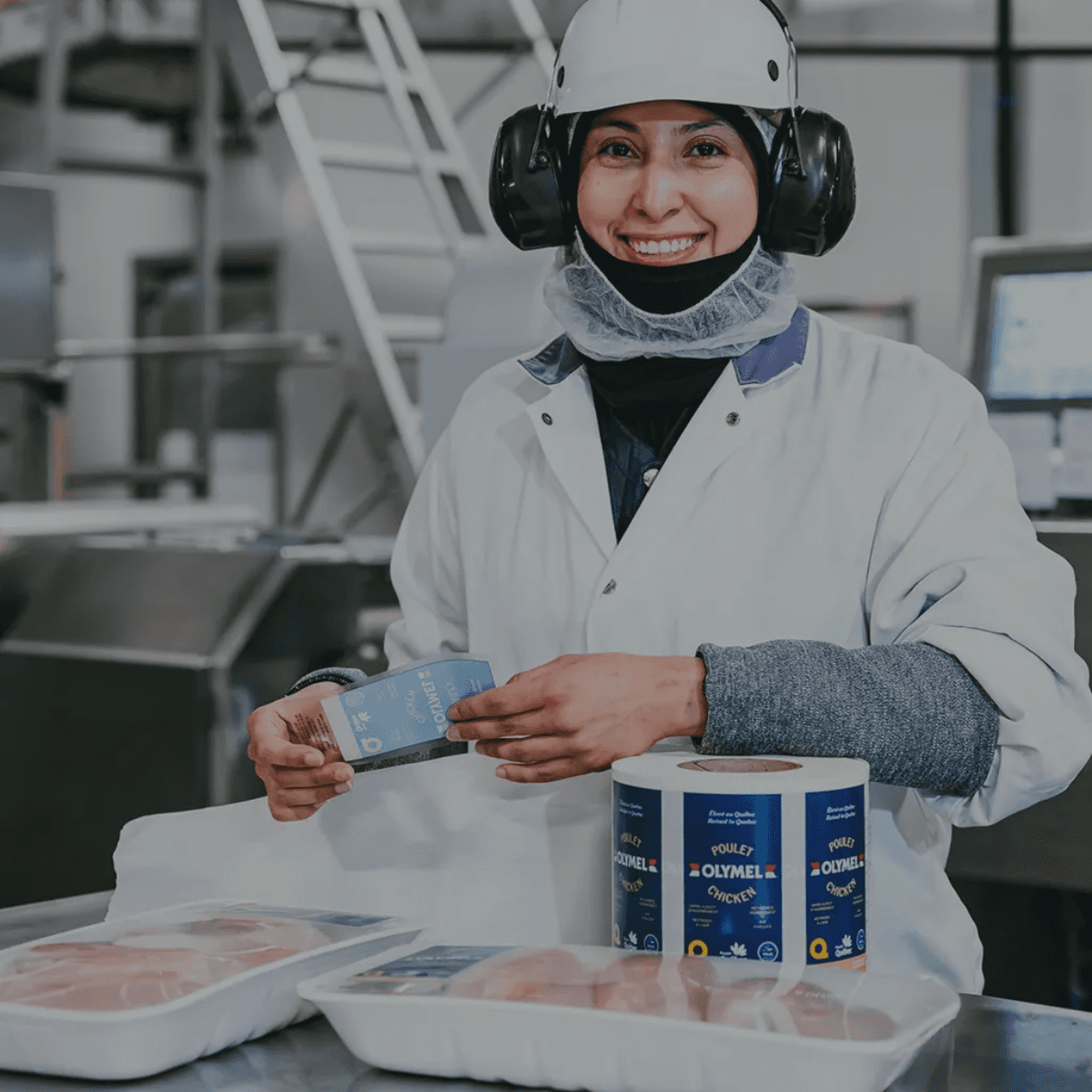
Olymel: from paper to digital food safety
Food Manufacturing and Processing
Baugher Ranch Organics: Improving documentation and audit readiness


Food Manufacturing and Processing
Groupe MAG: efficiency guided by data

Food Manufacturing and Processing
Jowett Farms: a smooth transition to paperless records

Food Manufacturing and Processing
Boulart: a quality culture driven by teams

Storage and distribution
Congebec: towards a paperless transformation